Beginner-friendly techniques to break free safely and quickly — without strength, force, or advanced martial arts.
Being grabbed — whether by the wrist, arm, or clothing — can feel frightening, especially for beginners. The good news is that effective escapes rely more on leverage and timing than strength. This guide teaches five simple, safe, beginner-level techniques to help you break free and move to safety.
Overview
Learn safe, nonviolent escape techniques anyone can use
Understand why leverage is more effective than strength
Recognize the safest direction to pull or rotate from a grab
Focus on escape, not confrontation
Know when and how to seek help or call authorities
1️⃣ Wrist Grab Escape: “Thumb Gap Rule”
When someone grabs your wrist, their fingers form a circle around your arm — but the weakest point is always the thumb.
How to escape: Rotate your wrist toward the attacker’s thumb and pull straight back. Even children can break free using this method.
Why it works: You’re not fighting strength — you’re exploiting the thumb’s weakness.
2️⃣ Two-Hand Wrist Grab: “Down and Out” Leverage
If both wrists are grabbed, drop your weight by bending your knees, then pull your hands downward and outward like opening a book.
This increases leverage and breaks the grip from the inside, where the attacker’s fingers are weaker.
3️⃣ Clothing or Arm Grab: “Step Back & Twist”
When someone grabs your sleeve, jacket, or arm, avoid pulling backward. Instead:
Take one strong step back
Rotate your torso in the same direction as your step
Use the momentum to slip out of the grip
This movement uses body rotation to neutralize grip strength.
4️⃣ Shoulder Grab: “Turn & Create Distance”
If someone grabs your shoulder, the goal is not to strike — it’s to break the angle.
Turn your body sharply toward the grab
Drop your shoulder slightly
Step back and create distance
Turning inward weakens their grip and allows a clean escape.
5️⃣ Hand or Wrist Held from Behind: “Step to the Side”
When grabbed from behind, do not pull forward. Instead:
Take a wide step to the side
Turn toward the gripping hand
Pull your arm toward their thumb
This breaks the grip while preventing you from losing balance.
Safety First: Focus on Escape, Not Fighting
These techniques are not meant to overpower someone — only to help you break free and move to safety.

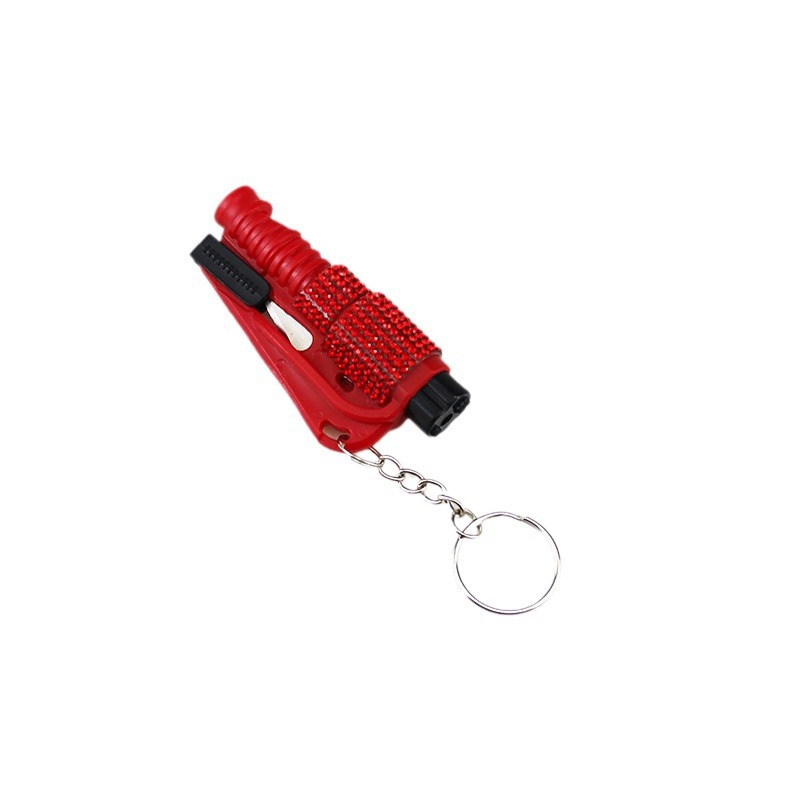
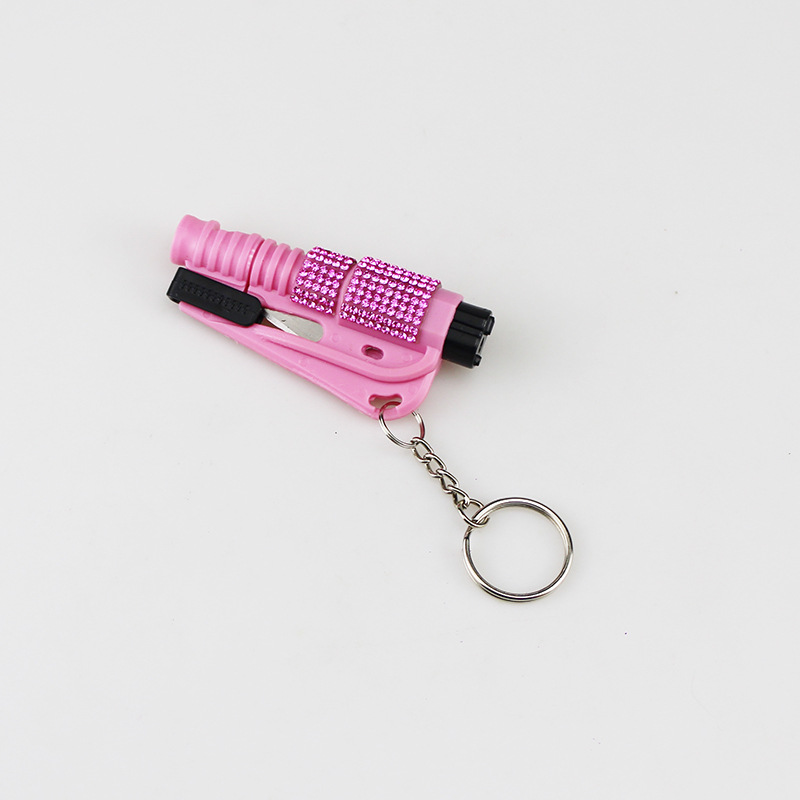
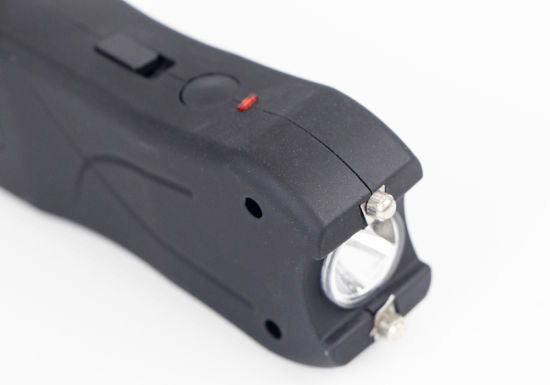
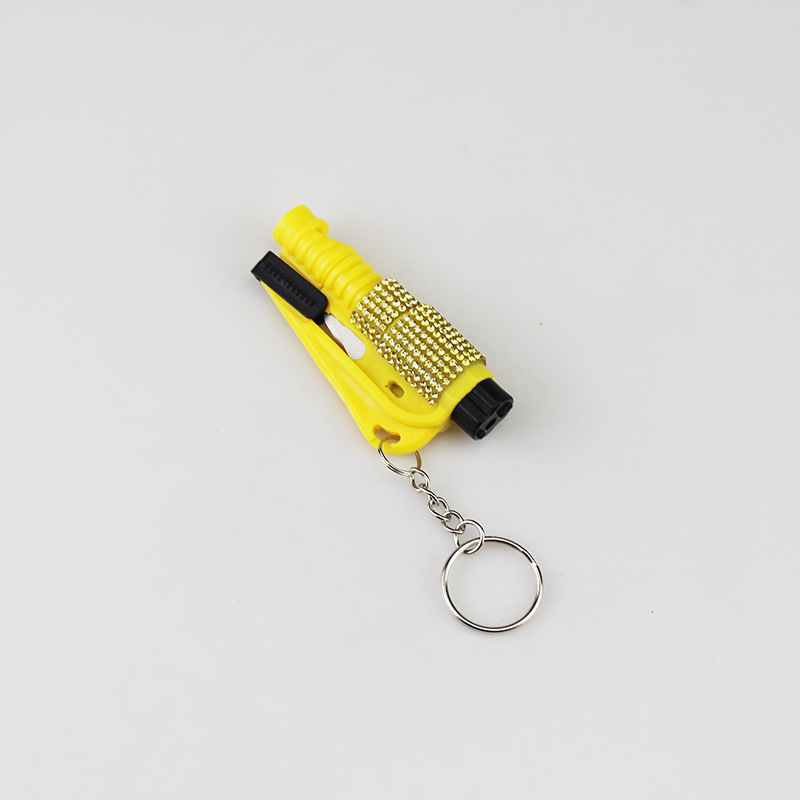
5 Simple Moves to Escape a Grab (Beginner Safe)
Beginner-friendly techniques to break free safely and quickly — without strength, force, or advanced martial arts.
Being grabbed — whether by the wrist, arm, or clothing — can feel frightening, especially for beginners. The good news is that effective escapes rely more on leverage and timing than strength. This guide teaches five simple, safe, beginner-level techniques to help you break free and move to safety.
Overview
1️⃣ Wrist Grab Escape: “Thumb Gap Rule”
When someone grabs your wrist, their fingers form a circle around your arm — but the weakest point is always the thumb.
How to escape:
Rotate your wrist toward the attacker’s thumb and pull straight back. Even children can break free using this method.
Why it works: You’re not fighting strength — you’re exploiting the thumb’s weakness.
2️⃣ Two-Hand Wrist Grab: “Down and Out” Leverage
If both wrists are grabbed, drop your weight by bending your knees, then pull your hands downward and outward like opening a book.
This increases leverage and breaks the grip from the inside, where the attacker’s fingers are weaker.
3️⃣ Clothing or Arm Grab: “Step Back & Twist”
When someone grabs your sleeve, jacket, or arm, avoid pulling backward. Instead:
This movement uses body rotation to neutralize grip strength.
4️⃣ Shoulder Grab: “Turn & Create Distance”
If someone grabs your shoulder, the goal is not to strike — it’s to break the angle.
Turning inward weakens their grip and allows a clean escape.
5️⃣ Hand or Wrist Held from Behind: “Step to the Side”
When grabbed from behind, do not pull forward. Instead:
This breaks the grip while preventing you from losing balance.
Safety First: Focus on Escape, Not Fighting
These techniques are not meant to overpower someone — only to help you break free and move to safety.
Related Guides