Campus Safety: A Student’s Guide to Crime Prevention & Self-Defense
College life often involves navigating potential risks, whether walking to a night class, crossing a dimly lit parking lot, or studying late in a campus building. While universities provide security services, your most reliable protection is your own awareness and preparedness.
The Underestimated Reality of Campus Crime
Many parents and students assume campuses are safe environments, but statistics reveal a different story. According to the American Association of University Women (AAUW):
Approximately 20%-25% of female college students experience sexual assault during their academic careers.
A startling 90% of campus rape victims know their attacker.
Roughly 65% of campus rapes go unreported, meaning official data significantly underestimates the problem.
Alcohol is a major contributing factor. In 75% of sexual assaults, the victim, the perpetrator, or both have been drinking. First-year students are particularly vulnerable, as they are often navigating new social situations where alcohol or drugs may be present, increasing their risk.
Prevention First: Your Primary Defense
While not all crime can be prevented, you can significantly reduce your risk with proactive strategies:
Maintain Situational Awareness: Avoid distractions. Put away your phone and remove headphones in unfamiliar or isolated areas. Your awareness is your best early warning system.
Stay in Control: Remaining sober allows for clear judgment. Always watch your drink and plan your exit strategy from social events.
Trust Your Instincts: If a person, place, or situation feels “off,” it probably is. Your safety is more important than being polite—leave immediately.
Utilize Campus Resources: Familiarize yourself with security services like emergency blue-light phones, safe-walk programs, and night shuttles.
Effective Self-Defense: From Mindset to Tools
When prevention is not enough, being prepared to defend yourself is critical.
Self-Defense Courses: These classes build confidence, teach risk awareness, and provide physical techniques to break away from an attacker.
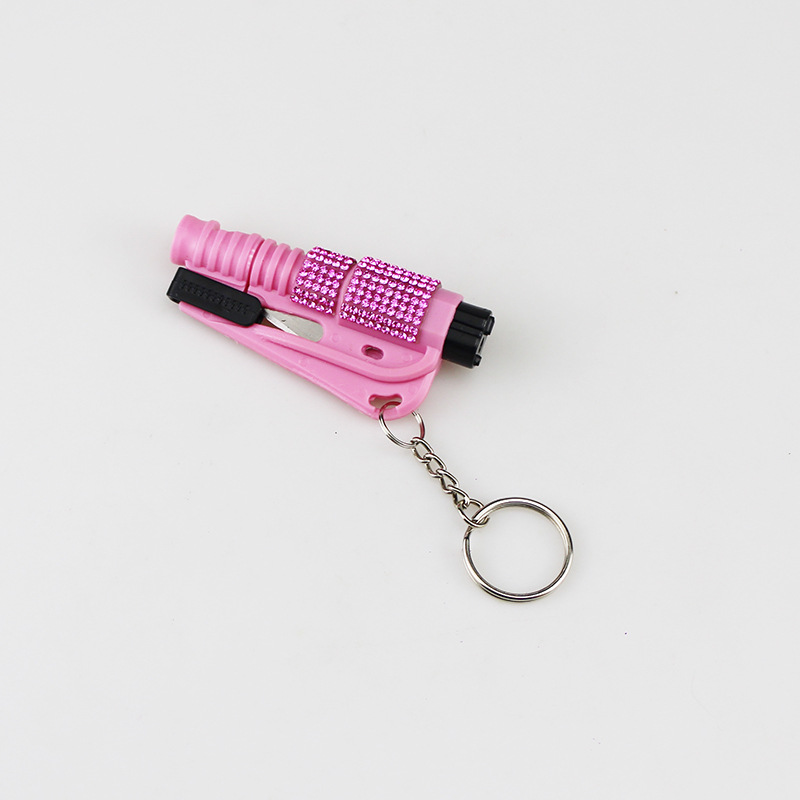
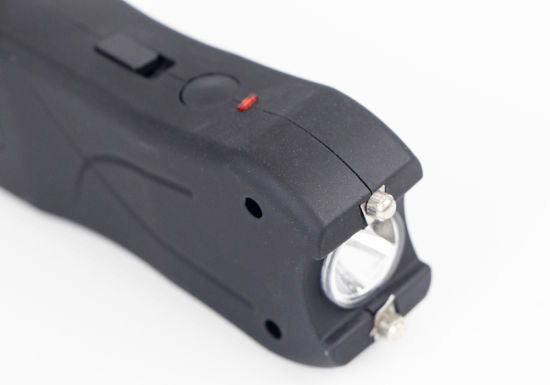
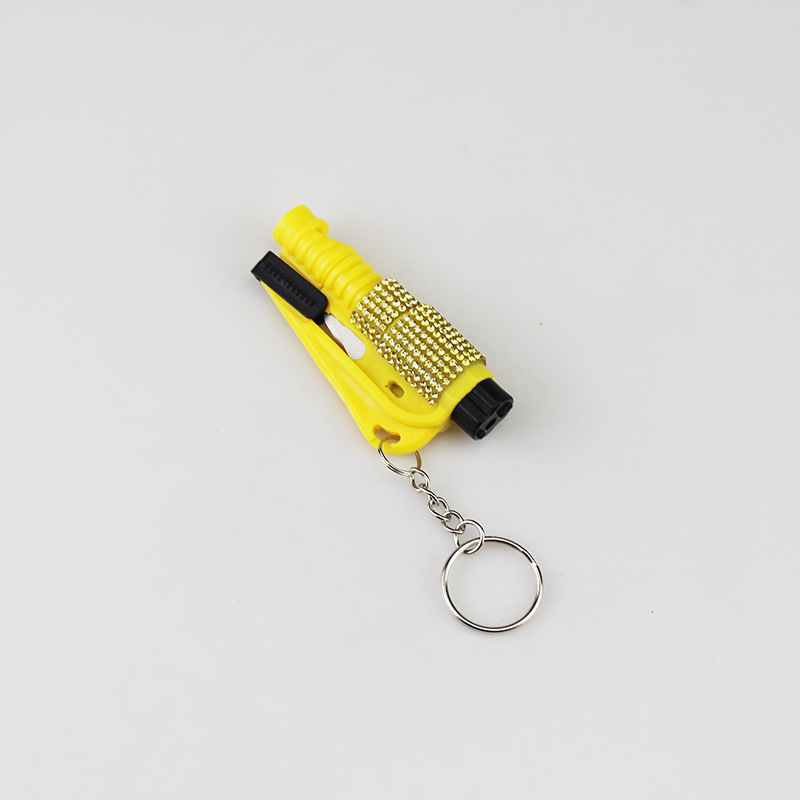
Carry a Legal Defense Tool: Options include personal safety alarms and tactical flashlights. However, pepper spray is widely recommended as a highly effective option.
Why Pepper Spray is a Key Consideration
Unlike other tools that require close-contact training, pepper spray can incapacitate an attacker from a distance.
How It Works: A direct spray to the face causes immediate, intense burning, temporary blindness, and difficulty breathing for at least 15 minutes. This creates a crucial window for you to escape and call for help.
Portability: It can be easily carried in a pocket, purse, or clipped to a backpack.
Readiness is Key: Make it a habit to hold the spray in your hand when walking in any potentially unsafe area. In an emergency, you won’t have time to search for it.
Important Legal Note:Always check your university’s policy and local/state laws regarding pepper spray. Some campuses and jurisdictions prohibit its possession or use.
Final Advice: Your Safety is in Your Hands
Remember, a significant number of violent incidents are premeditated. If you feel you are being maneuvered into an isolated location or a situation is escalating, act decisively. Your safety is paramount. Stay alert, keep your defense tool accessible, and do not hesitate to use it to protect yourself.


Campus Safety: A Student’s Guide to Crime Prevention & Self-Defense
Campus Safety: A Student’s Guide to Crime Prevention & Self-Defense
College life often involves navigating potential risks, whether walking to a night class, crossing a dimly lit parking lot, or studying late in a campus building. While universities provide security services, your most reliable protection is your own awareness and preparedness.
The Underestimated Reality of Campus Crime
Many parents and students assume campuses are safe environments, but statistics reveal a different story. According to the American Association of University Women (AAUW):
Alcohol is a major contributing factor. In 75% of sexual assaults, the victim, the perpetrator, or both have been drinking. First-year students are particularly vulnerable, as they are often navigating new social situations where alcohol or drugs may be present, increasing their risk.
Prevention First: Your Primary Defense
While not all crime can be prevented, you can significantly reduce your risk with proactive strategies:
Effective Self-Defense: From Mindset to Tools
When prevention is not enough, being prepared to defend yourself is critical.
Why Pepper Spray is a Key Consideration
Unlike other tools that require close-contact training, pepper spray can incapacitate an attacker from a distance.
Final Advice: Your Safety is in Your Hands
Remember, a significant number of violent incidents are premeditated. If you feel you are being maneuvered into an isolated location or a situation is escalating, act decisively. Your safety is paramount. Stay alert, keep your defense tool accessible, and do not hesitate to use it to protect yourself.